


Top 100 Japanese Words For Beginners.
You can start from our list of the top 100 Japanese words for beginners.
Basic Words for Learning Japanese
- 本 (hon) – Book
- ベッド (beddo) – Bed
- 誕生日 (tanjōby) – Birthday
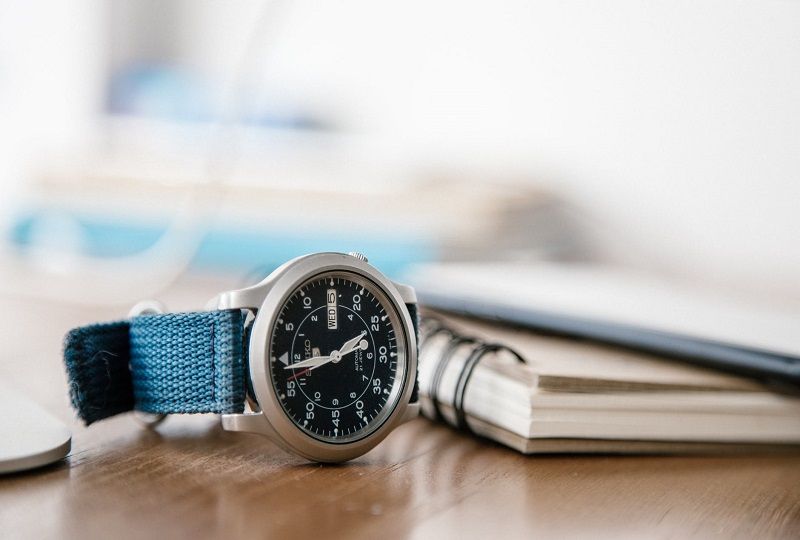
- 時計 (tokei) – Watch, clock
- 名前 (namae) – Name
- きれい (kirei) – Beautiful
- 黒い (kuroi) – Black
- 白い (shiroi) – White
- 英語 (eigo) – English (language)
- 大学 (daigaku) – University
- 電話 (denwa) – Telephone
- バス (basu) – Bus
- 猫 (neko) – Cat
- 犬 (inu) – Dog
- コンピュータ (konpiūta) – Computer
- 服 (fuku) – Clothes

Basic Japanese Food Vocabulary
- コーヒー (kohi) – Coffee
- パン (pan) – Bread
- ビール (biru) – Beer
- 昼ご飯 (hirogohan) – Lun
- ch
- 夕食 (yūshoku) – Dinner
- 食べ物 (tabemono) – Food
- 飲み物 (nomi mono) – Beverage
- 果物 (kudamono) – Fruit

Basic Japanese Words for People
- 男の子 (otoko no ko) – Boy
- 女の子 (onna no ko) – Girl
- 子供 (kodomo) – Child
- 母 (haha) – Mother
- 父 (chichi) – Father
- 友達 (tomodachi) – Friend
- 学生 (kagusei) – Student
- 先生 (sensei) – Teacher

Basic Japanese Nature Words
- 川 (kawa) – River
- 花 (hana) – Flower
- 魚 (sakana) – Fish
- 空 (sora) – Sky
- 山 (yama) – Mountain
- 雨 (ame) – Rain
Basic Japanese Words for Saying Time
- 今 (ima) – Now
- 今日 (kyou) – Today
- 昨日 (kinou) – Yesterday
- 明日 (asita) – Tomorrow
- 毎日 (mai nichi) – Every day
- 毎週 (maishū) – Every week
- 午前 (gozen)* – Morning
- 午後 (gogo) – Afternoon
- 月曜日 (getsuyoubi) – Monday
- 火曜日 (kayoubi) – Tuesday
- 水曜日 (suiyoubi) – Wednesday
- 木曜日 ( mokuyoubi) – Thursday
- 金曜日 (kinyoubi) – Friday
- 土曜日 (douyoubi) – Saturday
- 日曜日 (nichiyoubi) – Sunday
- 今年 (kotoshi) – This year

Japanese Body Parts Vocabulary for Beginners
- 耳 (mimi) – Ear
- 手 (te) – Hand
- 足 (ashi) – Foot
- 目 (me) – Eye
- 口 (kuchi) – Mouth
- 顔 (kao) – Face
Japanese Words for Places and Directions
- 駅 (eki) – Train station
- 北 (kita) – North
- 南 (minami) – South
- 西 (nishi) – West
- 東 (higashi) – East
- 国 (kuni) – Country
- 外国 (gaikoku) – Gaikoku
- 右 (mighi) – Right
- 左 (hidari) – Left
- 入口 (iriguchi) – Entrance
- 出口 (deguchi) – Exit

Japanese Greetings for Beginners
- おはようございます (ohayou gozaimasu) – Good Morning
- おはよう (ohayou) – Good Morning (informal version)
- こんにちは (konnichi wa) – Hello
- こんばんは (konban wa) – Good evening
- ただいま (tadaima) – I’m home (this greeting is used when you get home and want to announce your presence)
- おやすみなさい (oyasuminasai) Good night (used to announce that you are going to bed. However, you cannot use it when you are leaving someone else’s house for the night.)
- もしもし (moshi moshi) – Hello? (used when answering the phone)
- いらっしゃいませ (irasshiaimase) – Welcome! (this greeting is mainly used by business owners or employees to welcome their costumers to their store).
- おげんきですか (ogenki desu ka?) – How Are you?
- おしゃしぶりです (oshashiburi desu) – Long time no see.
- さようなら (sayounara) – Goodbye
- またね (matane) – See you
Common Japanese Phrases for Beginners
- はい (hai) – Yes
- いいえ (iie) – No
- わかりません (wakarimasen) – I don’t understand
- わすれました (wasuremashita) – I forgot
- しりません (shirimasen) – I don’t know
- たぶん (tabun) – Maybe
- だいじょうぶ (daijoubu) – Alright
- よろしくお願いします (yoroshiku onegai shimasu) – Nice to meet you
- どうも (doumo) – Thanks
- おねがいします (onegai shimasu) – Please
- どうもありがとうございます (doumo arigatou gozaimasu) – Thank you so much
- すみません (sumimasen) – Excuse me / I’m sorry
- ごめんなさい (gomennasai) – I’m sorry
- どういたしまして (douita shimashite) – You’re welcome
- どうぞ* (douzo) – After you
- ごめんなさい(gomen nasai) – I’m sorry
- 助けてください (tasukete kudasai) – Help!
